
Supply Chain Science
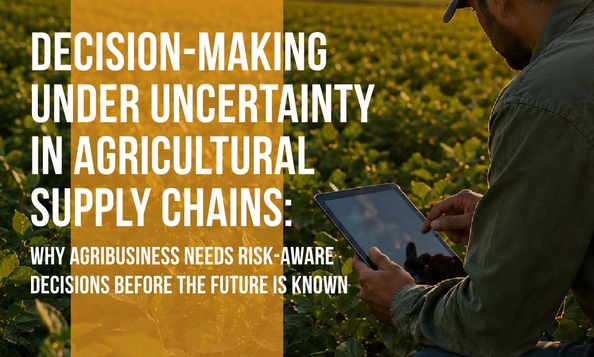
Decision-Making Under Uncertainty in Agricultural Supply Chains
Conor Doherty and André Margoto explain why agricultural supply chains need risk-aware, quantitative decision-making under biological and market uncertainty.

The System of Record Should Be Local
Joannes Vermorel argues that most companies should stop buying broad ERP systems and start building narrow bespoke systems of record, now that mature open-source tooling and coding agents make this economically sound.

Slotting Is Applied Economics, Not Warehouse Lore
Joannes Vermorel reframes warehouse slotting as applied economics — each pick-face assignment is a capital allocation decision requiring probabilistic valuation, not a velocity ranking.
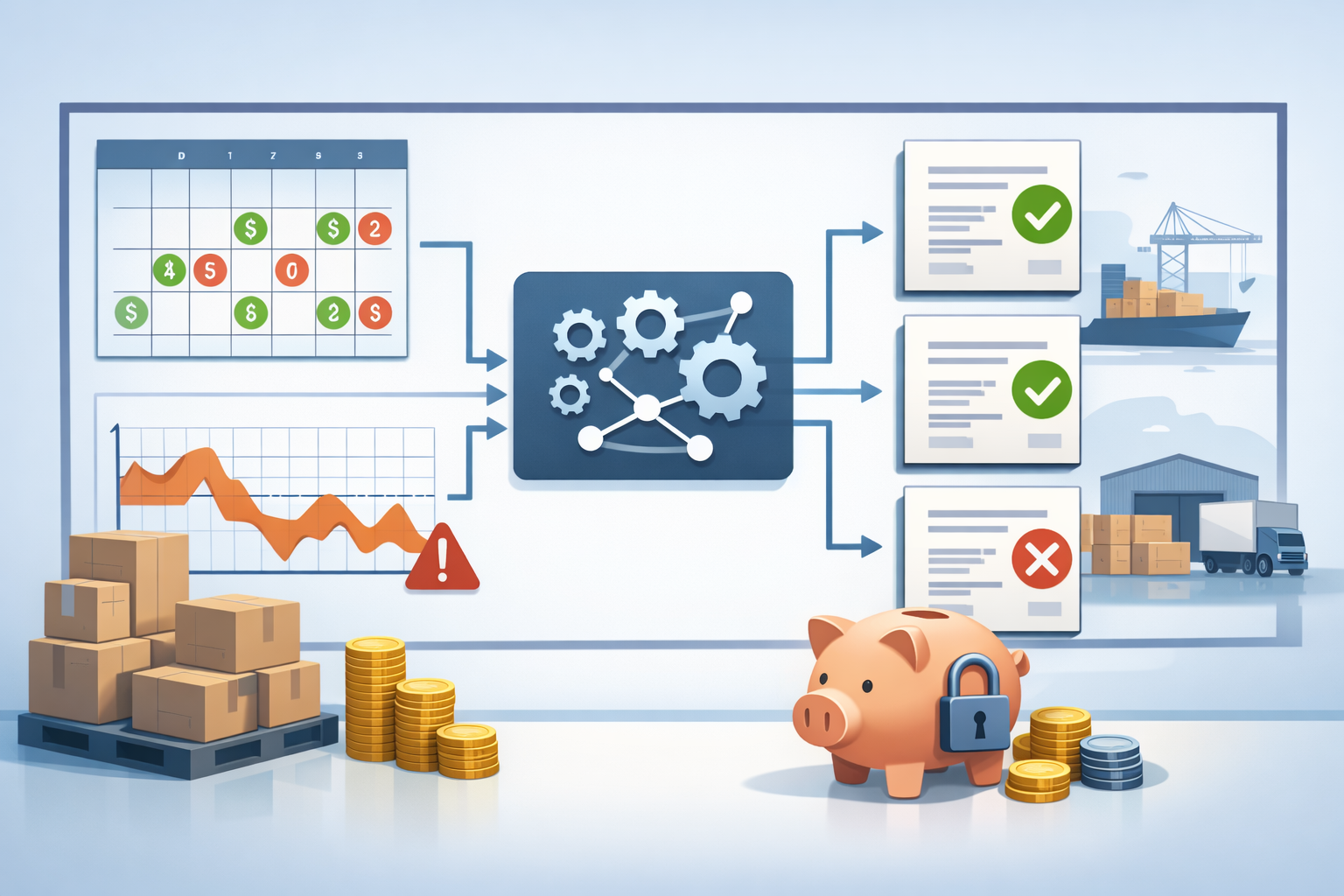
Payment Terms Belong Inside the Supply Chain
Joannes Vermorel argues that payment terms belong inside supply chain planning — changing which orders are worth pursuing — rather than being siloed in procurement, accounts payable, and treasury.
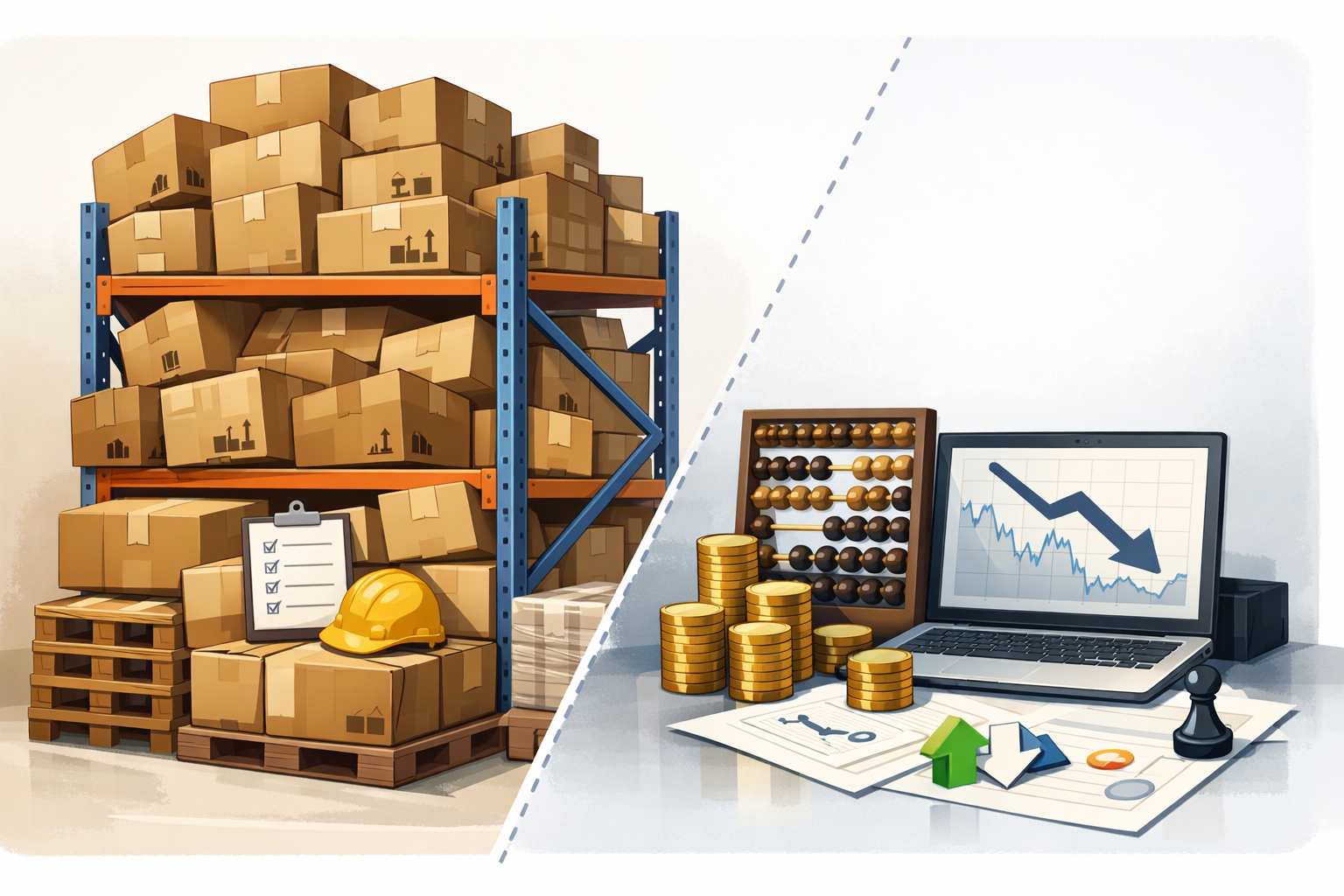
Safety Stock Is the Wrong Kind of Insurance
Joannes Vermorel argues that safety stock is a poor hedge against uncertainty, and that capital allocation logic should weigh physical inventory against cheaper alternatives.

Supply Chain doesn’t start with Forecasts and Plans
Joannes Vermorel argues that supply chain education should begin with economic choice under uncertainty, not forecasting and planning frameworks — shifting the practitioner from plan administrator to decision architect.

Stop Segmenting. Start Deciding.
Joannes Vermorel explains why ABC-style segmentation cripples modern supply chains and shows how to replace rigid buckets with dollar-ranked decisions under uncertainty.
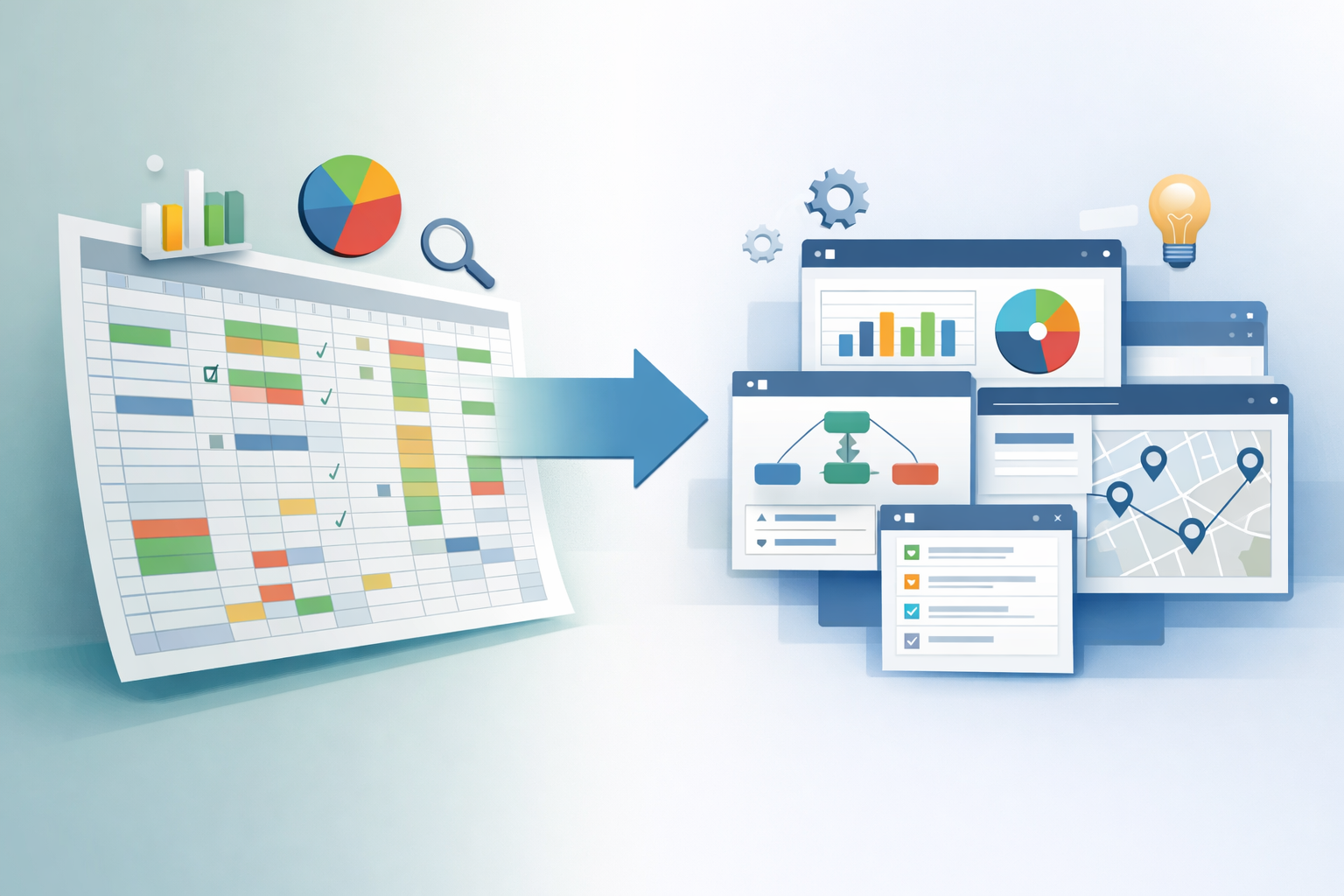
Why Supply Chain Must Outgrow Spreadsheets
Joannes Vermorel explains why spreadsheets, though useful for local analysis, become an operating liability at scale — and what an explicit, versioned, automated decision system should replace them.

Why I Do Not Begin with Just-in-Time
Joannes Vermorel situates just-in-time within a broader economic framework, arguing that supply chain should optimize for risk-adjusted return on scarce resources rather than treating lean flow as a universal doctrine.

Why ERPs are slow and costly to deploy — by design
Joannes Vermorel explains why ERP systems, built for transactions not thinking, cannot ever be the true decision-making brain of your supply chain.

Time in Supply Chain: Why the Future Is Not a Mirror of the Past
Joannes Vermorel analyzes why supply chain time isn’t a neutral forecast line but the unfolding of today’s commitments, options and risks—and how to make better decisions.

The Hidden Cost of “Cheap” Planning Suites
Joannes Vermorel analyzes the hidden TCO of mainstream planning suites, from labor and S&OP overhead to IT, services and risk, and compares versus Lokad’s automation model.