
Supply Chain Science
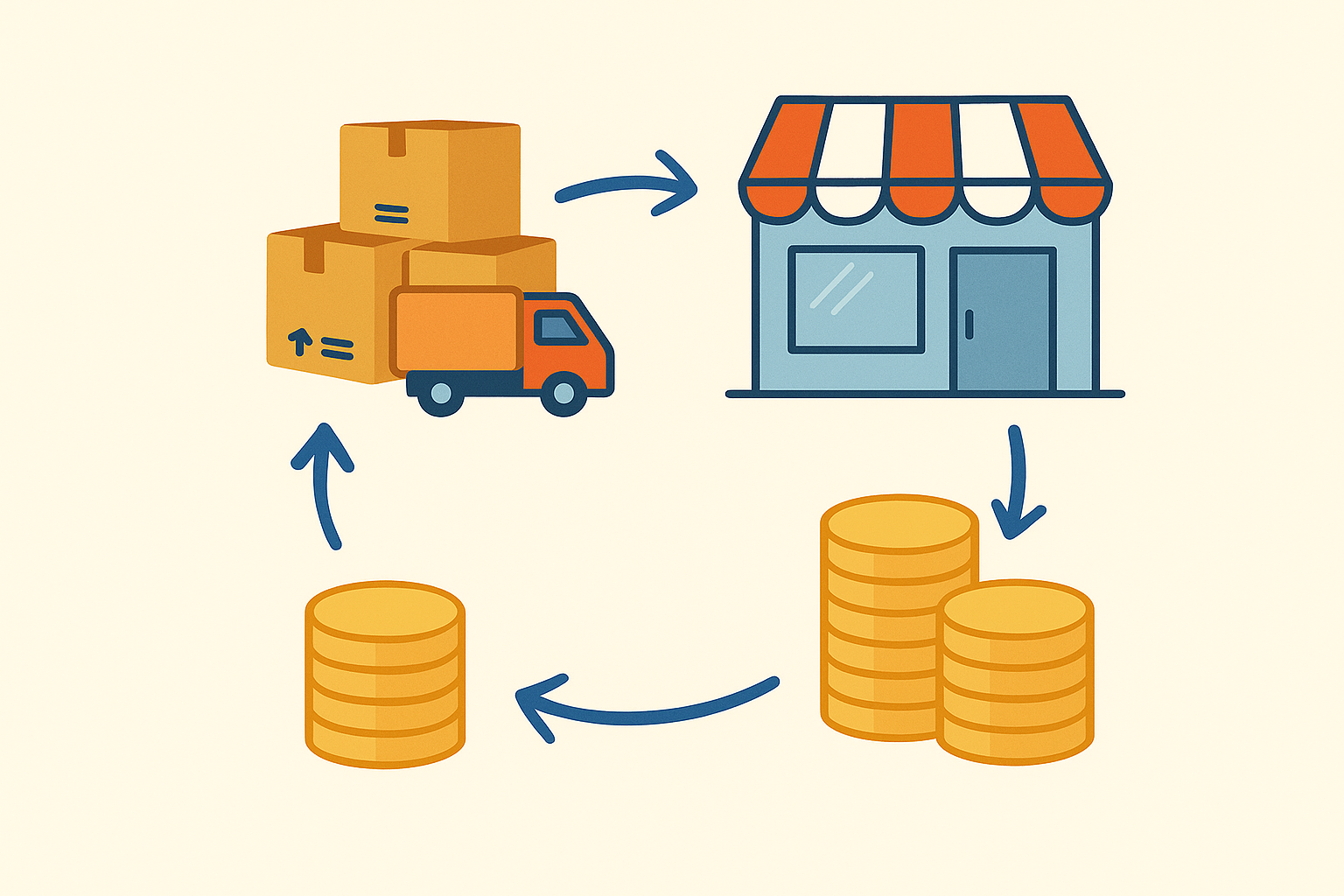
Rate-Of-Return (RoR) is the ultimate metric for Supply Chain
Joannes Vermorel explains why rate of return (RoR) beats traditional KPIs as the ultimate metric to steer supply chain resources, risk and time toward maximum economic value.

Decision Economics and Yossi Sheffi’s Network Lens
Joannes Vermorel contrasts Yossi Sheffi’s network view with decision economics, focusing on software-driven supply chain decisions under uncertainty.

Why Push vs Pull Misses the Point of Supply Chain
Joannes Vermorel analyzes why push vs pull is the wrong question in supply chain, and why economic decision engines and uncertainty matter more than flow labels.

Beyond Lean Supply Chains: Optionality, Uncertainty, and the Economics of Decisions
Joannes Vermorel explores why modern supply chains must prioritize options, uncertainty, and risk-adjusted economic returns over traditional lean, waste-elimination doctrines.

Why Pricing Belongs Inside the Supply Chain
Joannes Vermorel explains why pricing belongs inside supply chain: price as a lever on demand, capacity and scarce resources, not a separate marketing function.
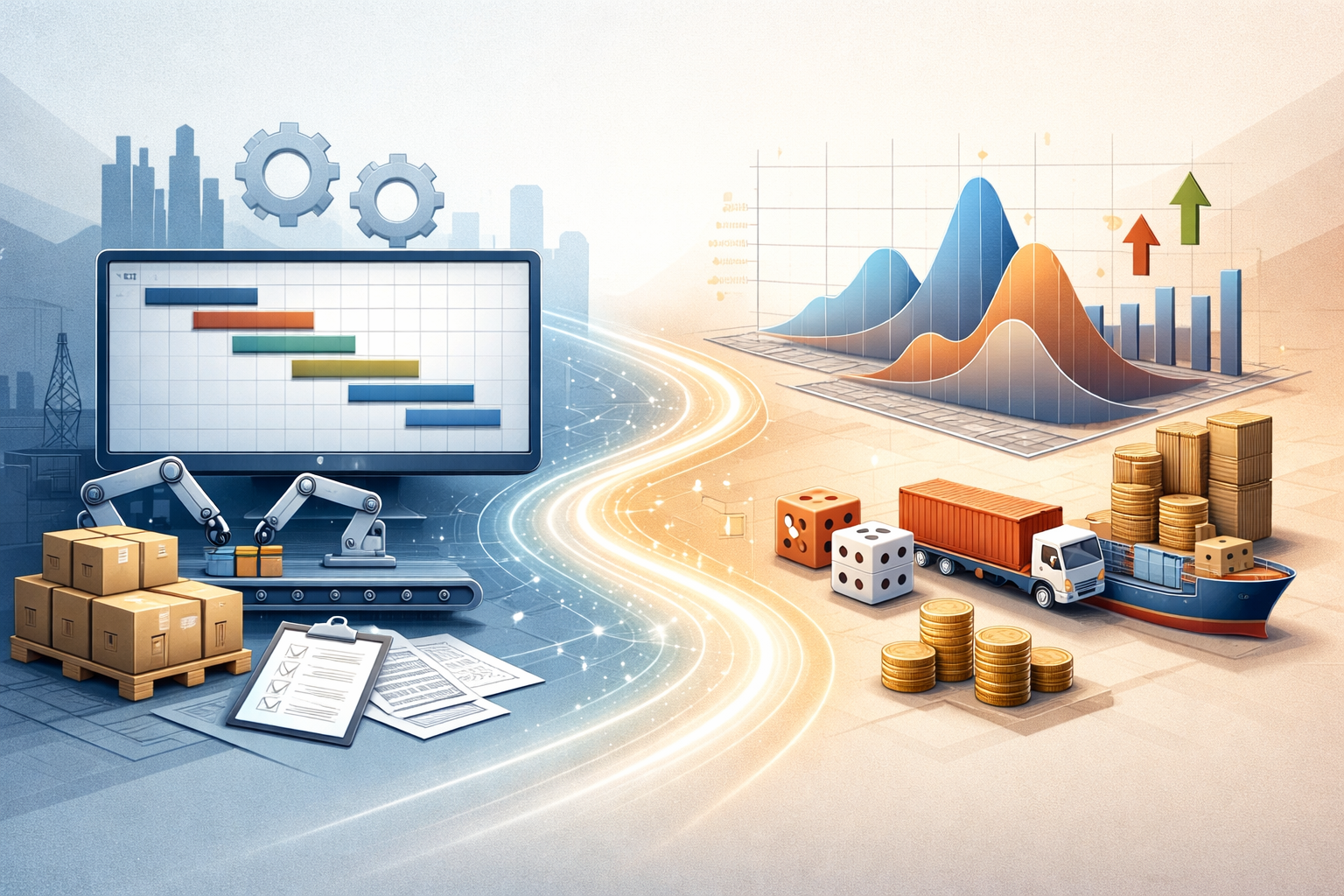
From Factory Planning System to Decision Engine
Joannes Vermorel shows why factories should move beyond MRP to a probabilistic, economics-driven decision engine that ranks daily production and purchasing bets for profit.

When You Think You Need an Inventory Forecast
Joannes Vermorel analyzes why you don’t need an inventory forecast—only decision engines that price uncertainty and automate everyday supply chain choices.

When Operations Research Meets the Real Supply Chain
Joannes Vermorel shows why supply chains need applied economics, explicit uncertainty and adaptive decisions, not static operations research models.
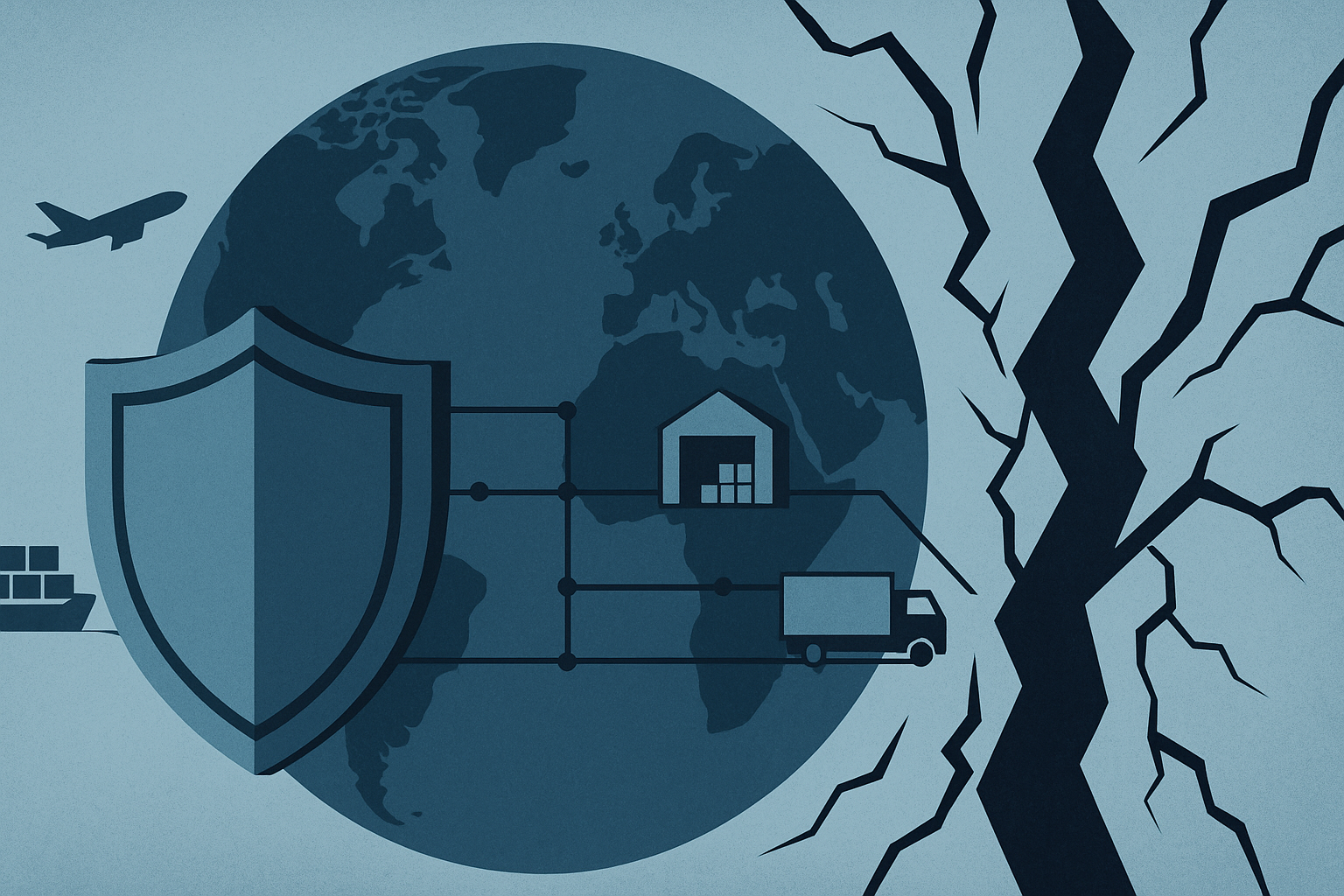
Supply Chain Resilience Reconsidered
Joannes Vermorel redefines supply chain resilience as economic decision-making for rare systemic shocks, not everyday planning noise.

Alignment and Decisions in Modern Supply Chains
Joannes Vermorel contrasts Gattorna’s dynamic alignment with a decision-centric, probabilistic view of supply chains grounded in risk-adjusted cash.
A Reflection on David Simchi-Levi’s Work
Joannes Vermorel contrasts his software-driven view of supply chain with David Simchi-Levi, stressing uncertainty, optionality and automated decisions.

Probabilities, Not Scenarios
Joannes Vermorel analyzes why supply chains should replace scenario planning with probabilistic, economics-driven decisions that treat every order as a bet under uncertainty.